
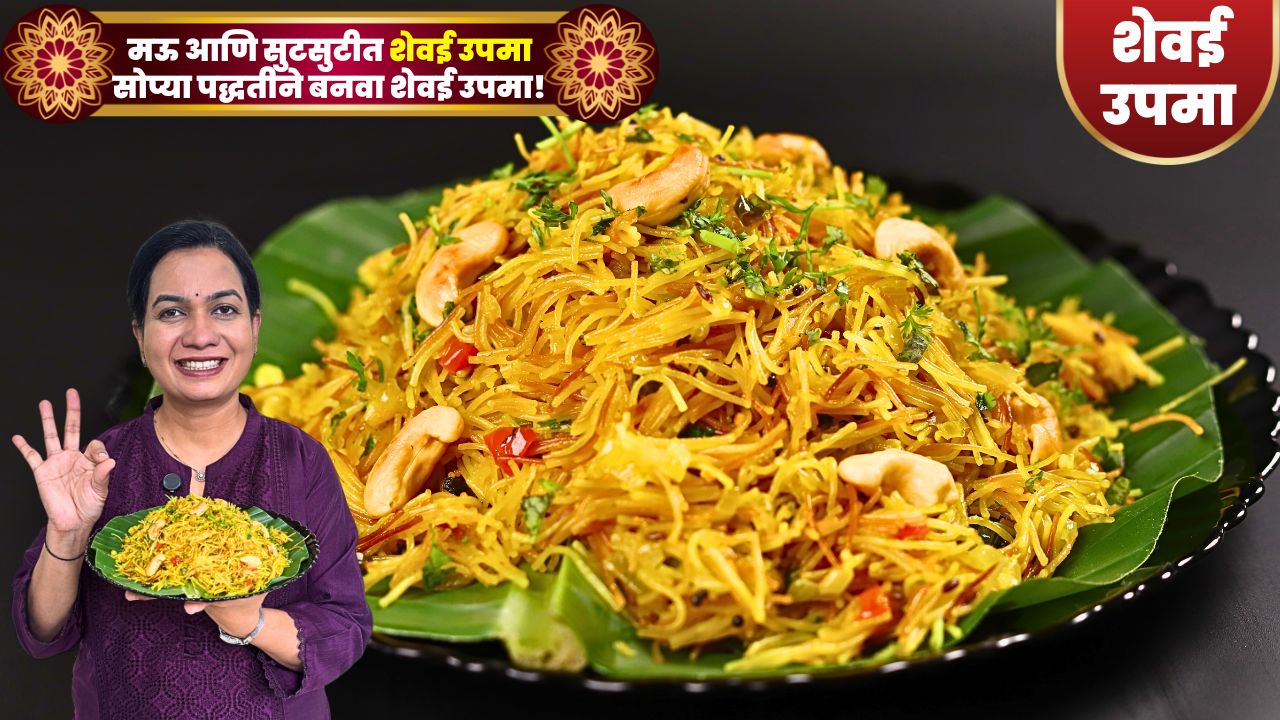
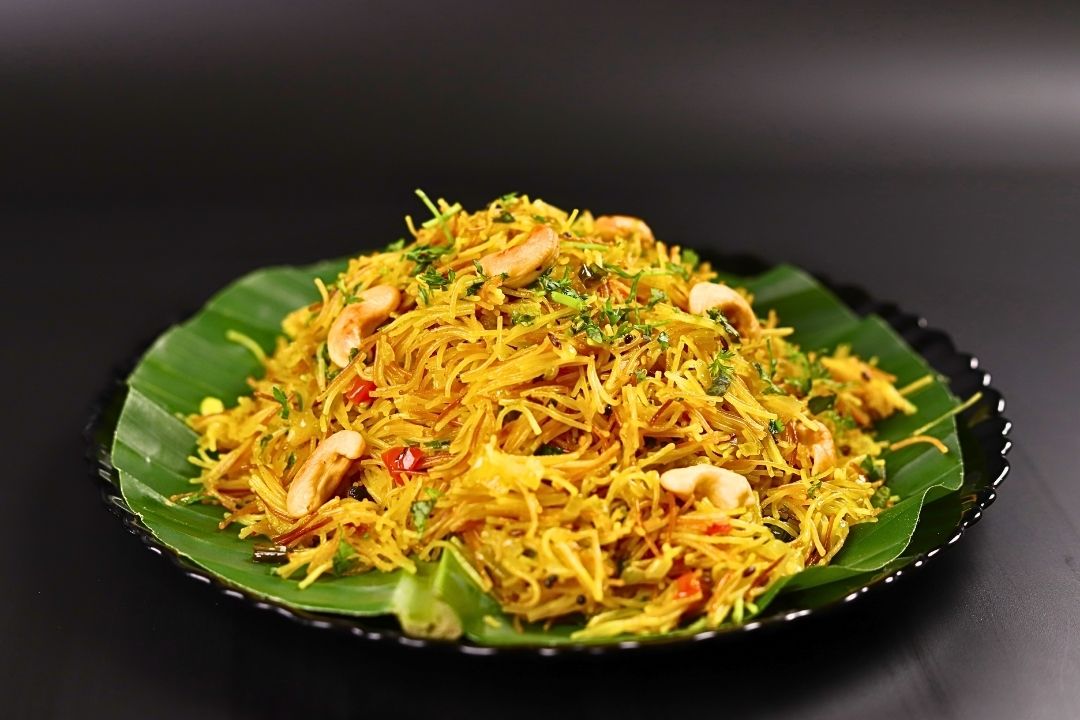
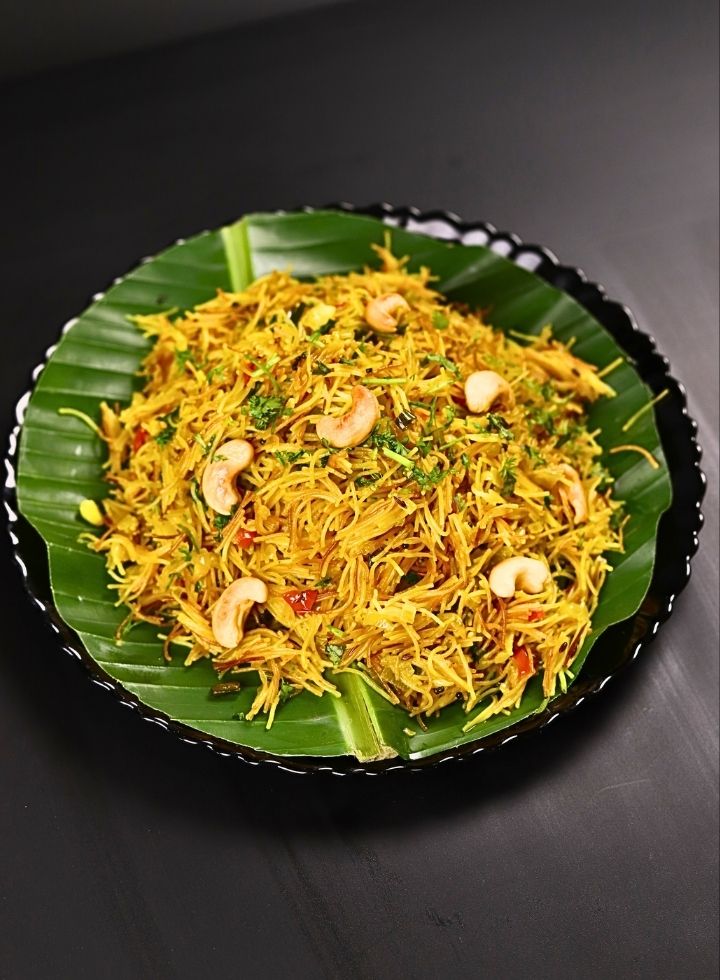
Shevaicha Upma
Deciding what to cook for breakfast every morning is a daily hustle in almost every household. On days when traditional options like poha or regular semolina upma feel monotonous, this quick and flavorful vermicelli upma offers the perfect comforting solution. To make this dish, roast the vermicelli until golden brown, then set it aside. Heat oil in a pan to splutter mustard seeds, cumin, split black gram, and fresh curry leaves before sauteing finely chopped onions, green chilies, and mixed vegetables. Pour in exactly double the amount of water compared to the vermicelli, bring it to a rolling boil with salt, and then gently stir in the roasted strands. Cover and simmer on low heat until the water fully absorbs, leaving behind beautifully separate, fluffy strands that break the daily breakfast boredom without requiring hours of preparation.
The sizzling sound of mustard seeds and curry leaves hitting hot oil always acts as an unwritten wake-up call, drawing everyone straight to the kitchen. Weekends in many Indian households remain marked by the delightful aroma of fresh tempering wafting through the rooms, signaling a relaxed morning ahead. Sharing a warm, steaming plate of homemade upma with family while discussing weekend plans or childhood stories creates a deep sense of comfort. These simple dining table conversations and shared morning meals build lasting memories that offer a soothing escape during busy workdays.
Recommended Recipes
- Jwarichya Lahyancha Upma– Marathi Recipe
- Latur special Upma Fry & Chutney – Marathi Recipe
- Sevai Upma – Marathi Recipe – Marathi Recipe
- Cracked Wheat Upma – Marathi Recipe
- Veg Upma – Marathi Recipe
Some Interesting facts about Shevaicha Upma :-
While vermicelli feels deeply rooted in Indian breakfast culture, it actually shares a fascinating global connection with Italian pasta. Known locally as seviyan or shevaya, these thin strands consist of durum wheat semolina. This composition makes them identical to fine Italian vermicelli pasta. Interestingly, this versatile ingredient transitions seamlessly between sweet and savory dishes. It turns into a rich milk kheer for festivals or a spicy, tangy upma for busy mornings. This versatile ingredient remains a legendary pantry staple. It requires zero fermentation, cooks faster than traditional grains, and easily absorbs regional spices.
Recipe Video
Servings
Serve piping hot with fresh coconut chutney, spicy mango pickle, or a cup of hot masala chai.
